

Meet the Finalists
We proudly present our 62 Finalists for the 2026 ACAR Art Prize.
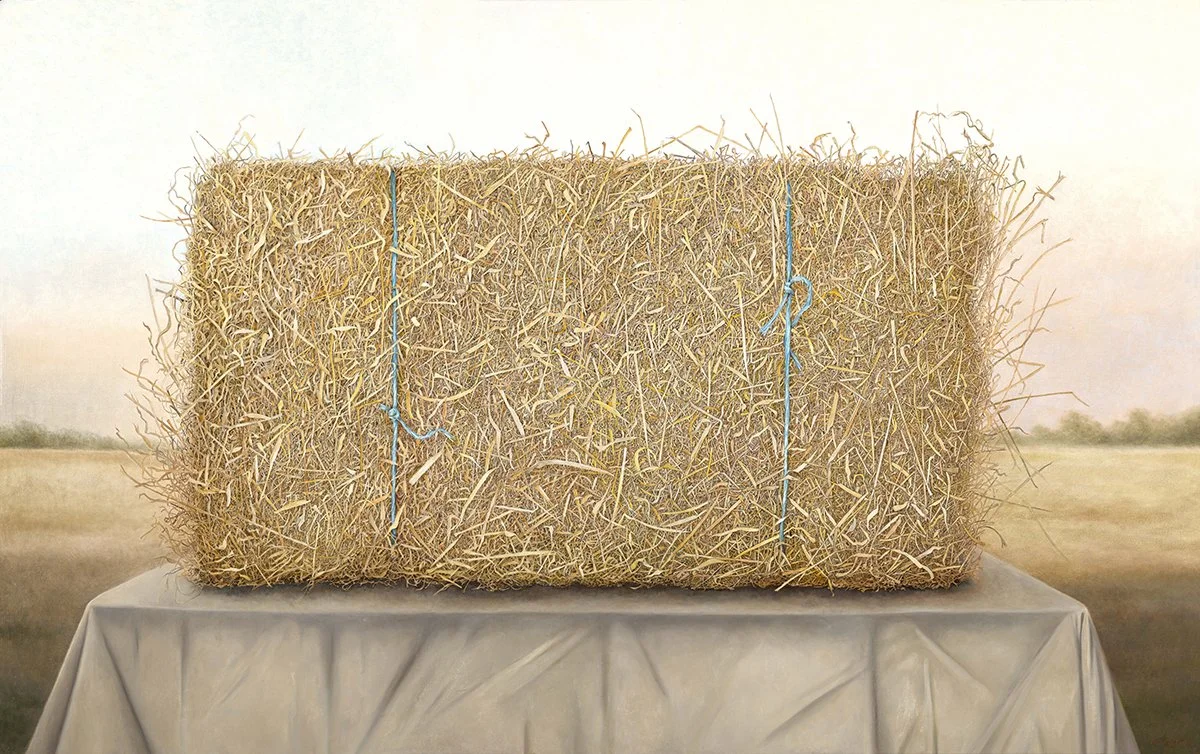
Deirdre Bean
Title: Hay #2 Still LIFE
On our NSW property the landscape is defined by the scenery and its produce; a working landscape.
Travelling through China I was struck by vast rural vistas, not dissimilar to views I am familiar with. I discovered that, as our most important trading partner, China is Australia’s largest importer of hay. Like Australia, China depends on it as a supplementary food source for livestock.
Hay #2 Still LIFE was inspired by hay as a life-sustaining resource; coming from the land and then returning to it. The cycle of life.
The bale of hay is positioned on an ‘altar’ to indicate the reverence we have for it, especially during times of natural disaster - fire, flood, or drought. The 2020 drought inspired this work, the second in a series.
China and Australia share a respect for the natural environment. It shapes the way we live and the art we make.
Deqing Zhang
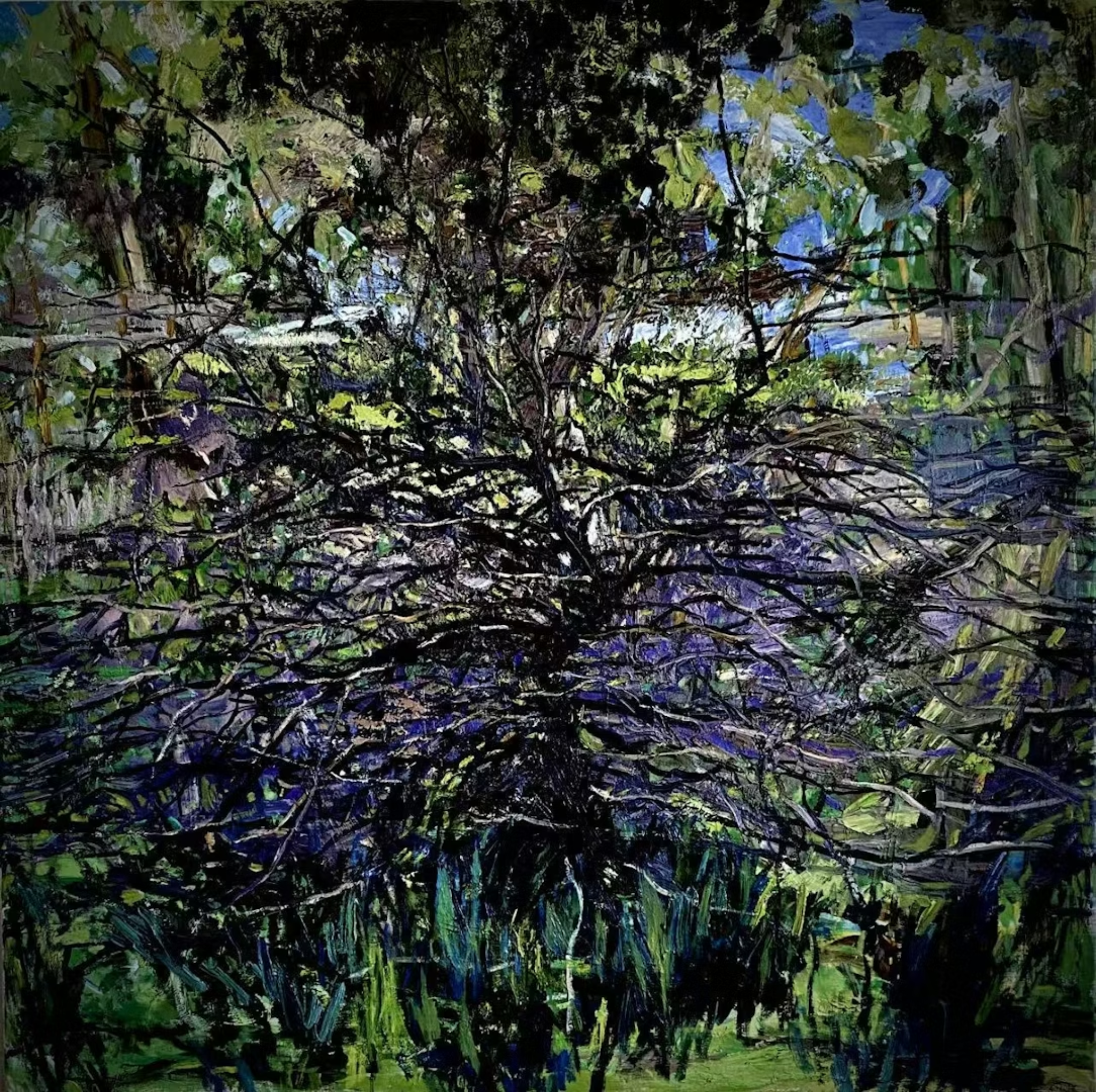
Title: Melbourne Wilderness
The vastness of the Australian landscape has long been a source of deep inspiration for me. Whenever I stand before it, I feel an intense emotional and psychological response, and a strong urge to translate that experience into paint. Australia’s scenery offers boundless space for imagination and expression, enabling me to awaken the visible world within and to bring inner feeling into dialogue with the painted image. Each time I paint the Australian bush, I am also painting my own emotional response to it. While my work is not strictly realist, it reflects the most truthful Australia as it exists in my heart.
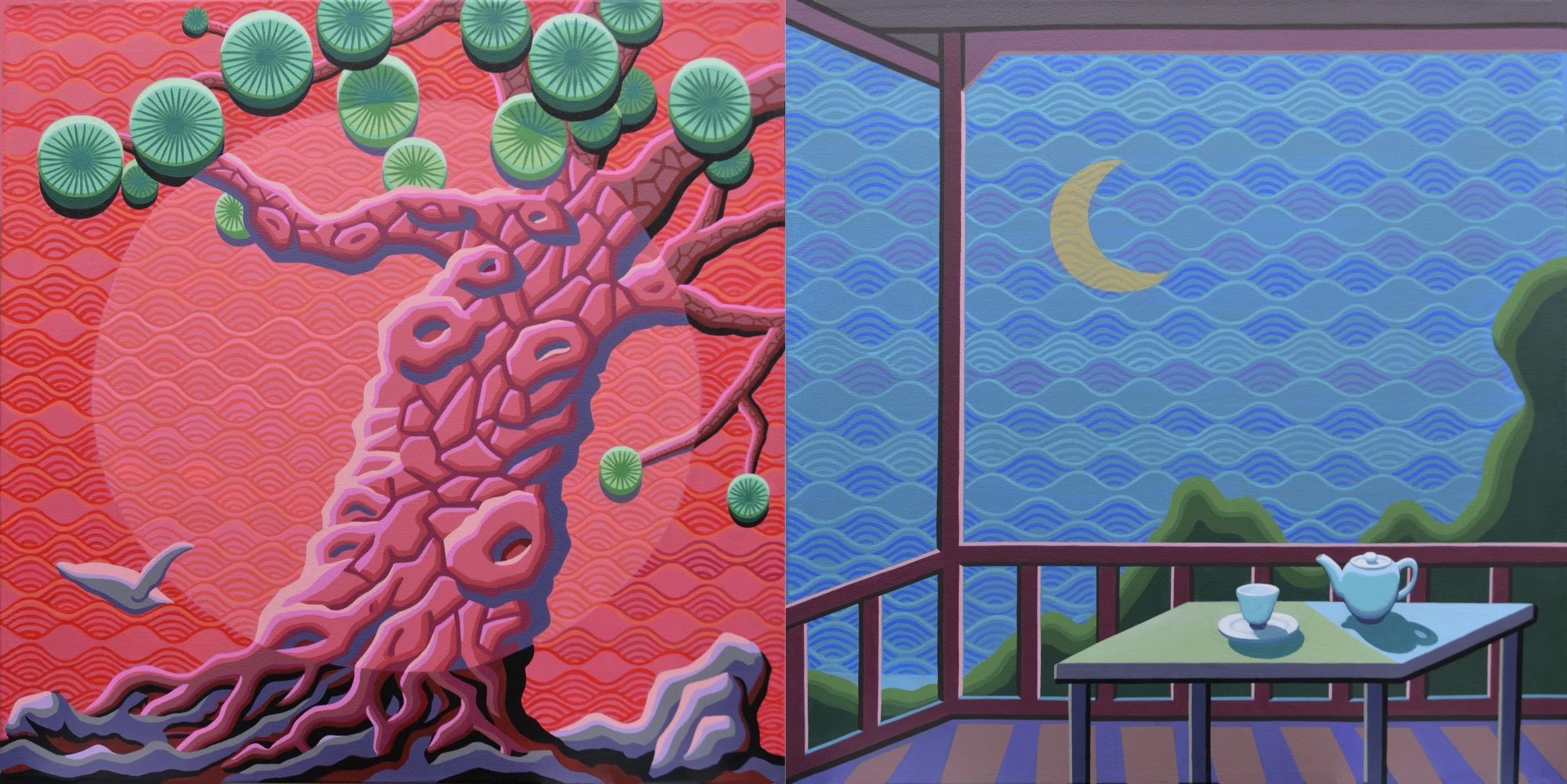
Dongwang Fan
Title: My Day and Night
My Day and Night (diptych) explores how perspective reshapes seeing and imagining. Bridging Eastern and Western traditions, the work reinterprets landscapes of China and Australia by reversing traditional Chinese low-relief carving into contemporary Australian landscape painting. I use paint brushes to “carve” the painted surface, creating decorative lines, patterns, and shadows that evoke lacquer relief landscapes. Infused with the vivid colour and flatness of Pop Art, each painting becomes both carving and surface. In Day, sunrise, waves and dolphins suggest hope, while pine trees symbolize steadfastness, self-discipline, and endurance. In Night, after guests depart, moonlight pools on the deck and the blue sky settles like water. Together, the diptych meditates on belonging, memory, and transformation, inviting viewers to experience the world through shifting horizons.
Euan Macleod
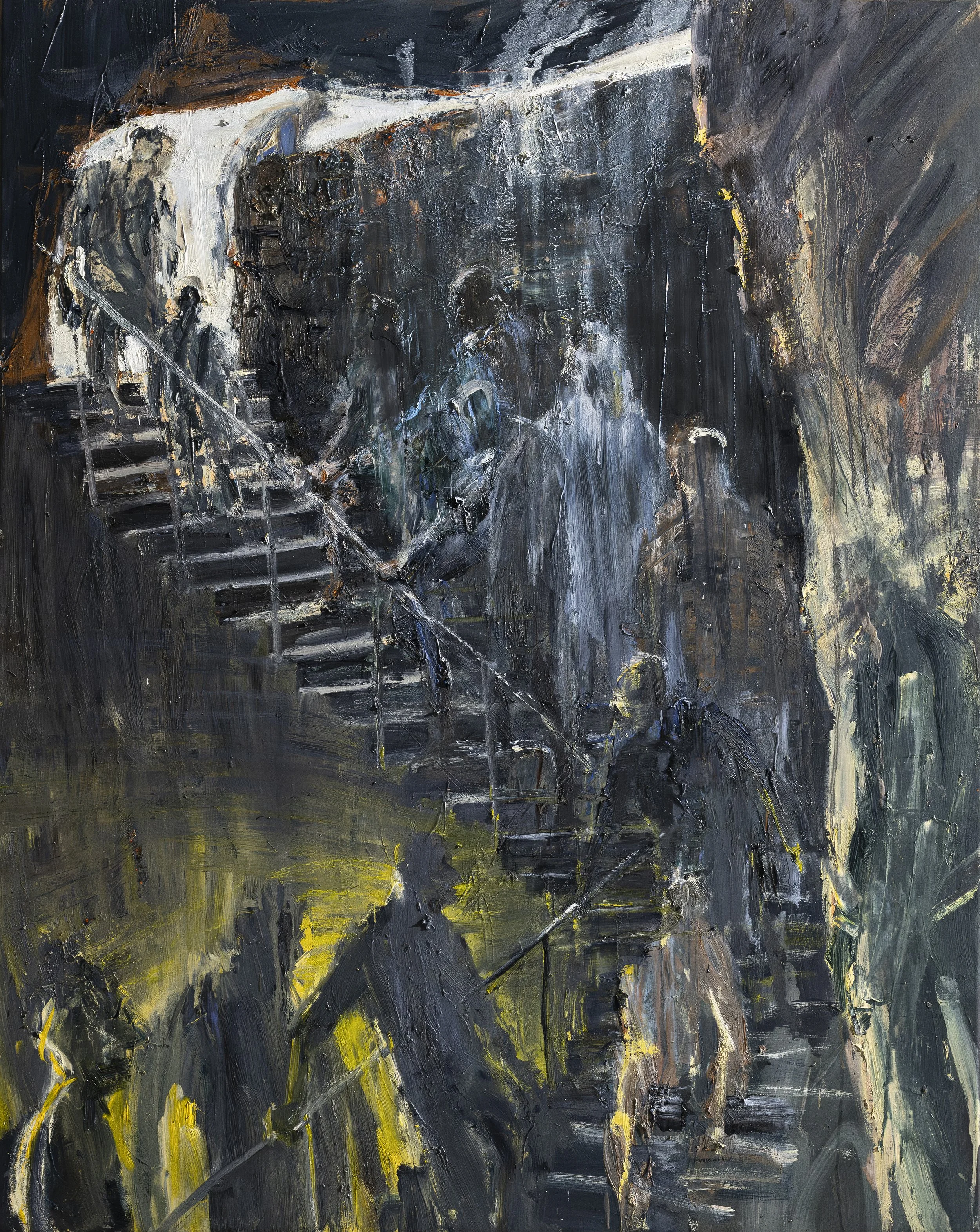
Title: Cave Painting
This painting is loosely based on an artist's trip in 2016 to Huangshan in China. I found the labyrinth of stairs, tunnels and narrow tracks that crisscross the precipitous mountains visually inspiring.
Hong Tong (Hong Li)
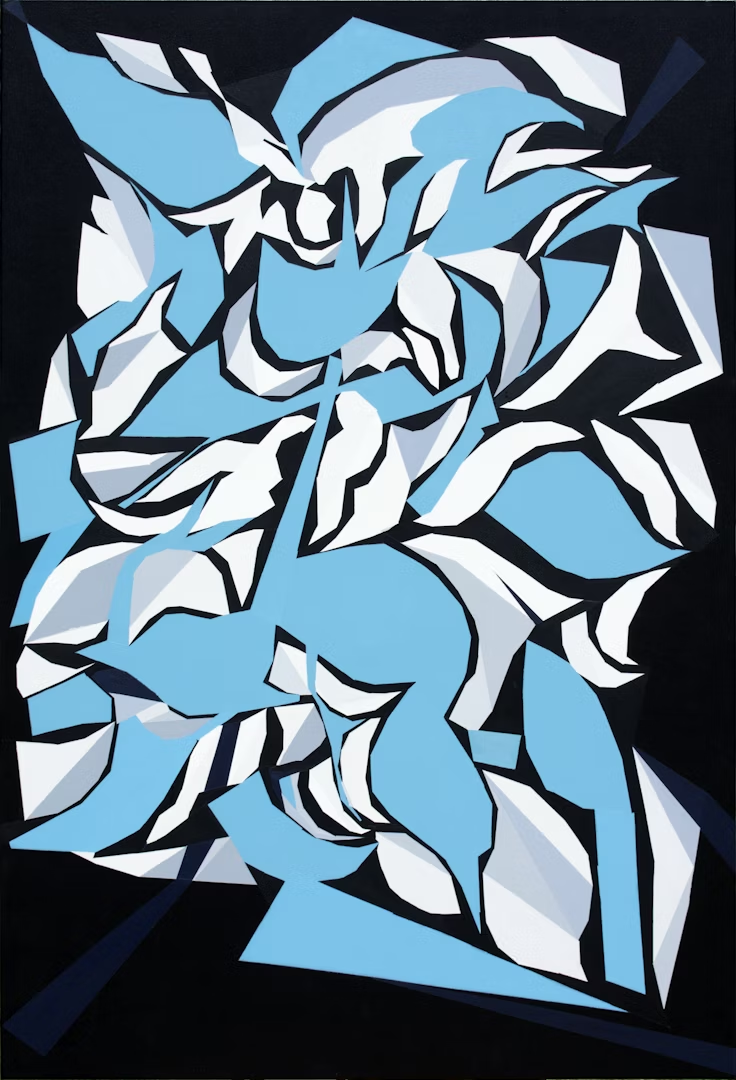
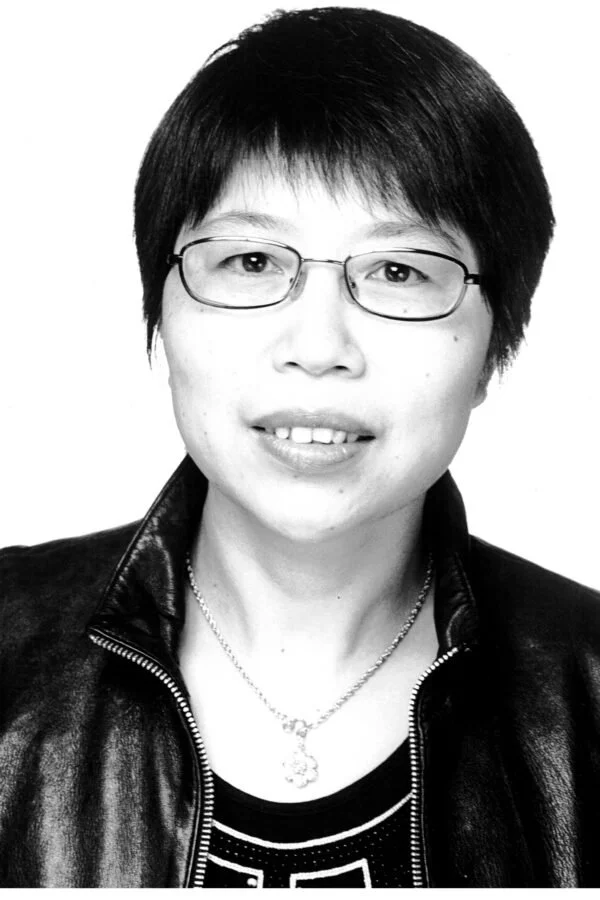
Title: Breeze of Trials
I have lived in Sydney since I graduated from the Central Academy of Fine Arts, Beijing in 1987. I obtained my Master of Studio Art from the College of Fine Art, University of Sydney in 2007. As Program Director of Nonprofit, Magma Culture Inc, I have been promoting cultural exchange programs between China and Australia since 2012. Magma Culture has collaborated with organizations such as, Art Nova 100, China Culture Centre Sydney, Coli Australia, Adelaide Festival Centre and Salamanca Arts Centre Hobart.
This entry, "Breeze of Trials" 2025, stems from a thought about the current tumultuous times: when the living space is more open and the "winds" are more intense than ever. The work aims to explore strength and courage in the face of harsh head winds, showcasing the mental strength of people to persevere and not give up in the midst of turmoil!
Hongsheng Zhao
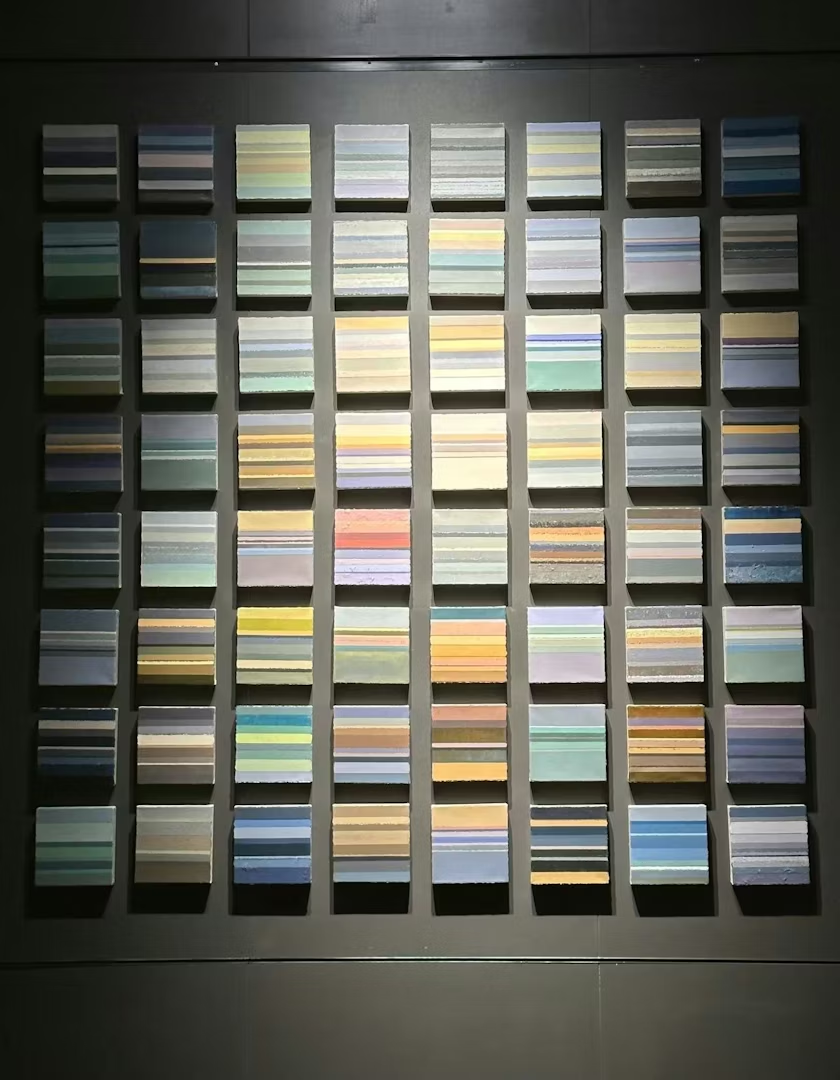
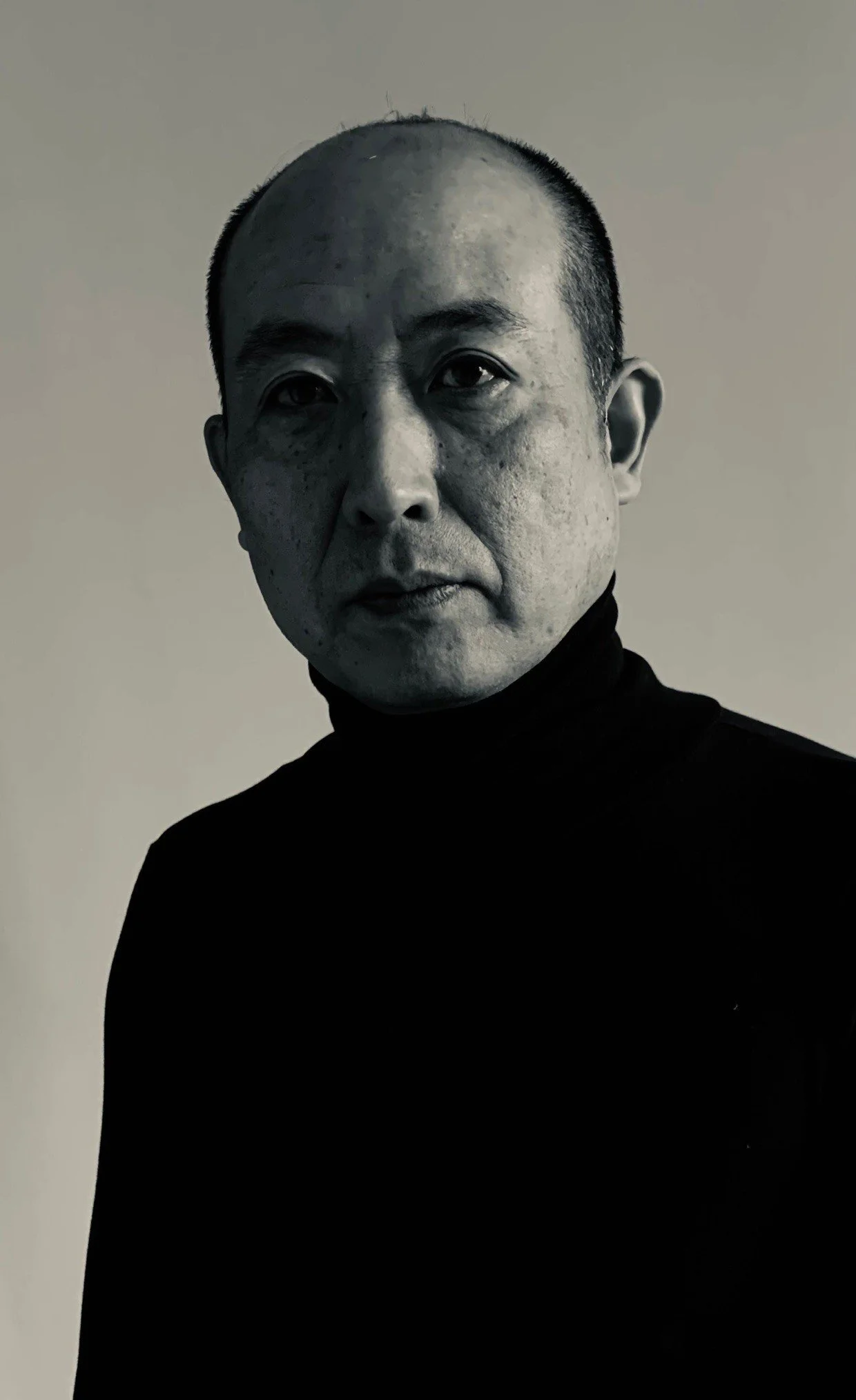
Title: I Think I Am the Sea
In August 2009, the artist was invited to visit Australia, travelling along the coastlines of Perth, Sydney, and the Gold Coast—an experience that left a lasting impression. Between 4 February 2022 and 4 February 2023, during the pandemic, he completed the series I Think I Am the Sea, sharing one work each day on WeChat (20 × 20 cm).
The series emerges from his reflections on lived experience, serving as a means of recording and release, while carrying and sustaining inner hopes. Comprising 365 works, the series ranges from intricate to minimal, and from figurative to abstract, featuring nuanced variations of light and colour alongside richly layered, textured surfaces.
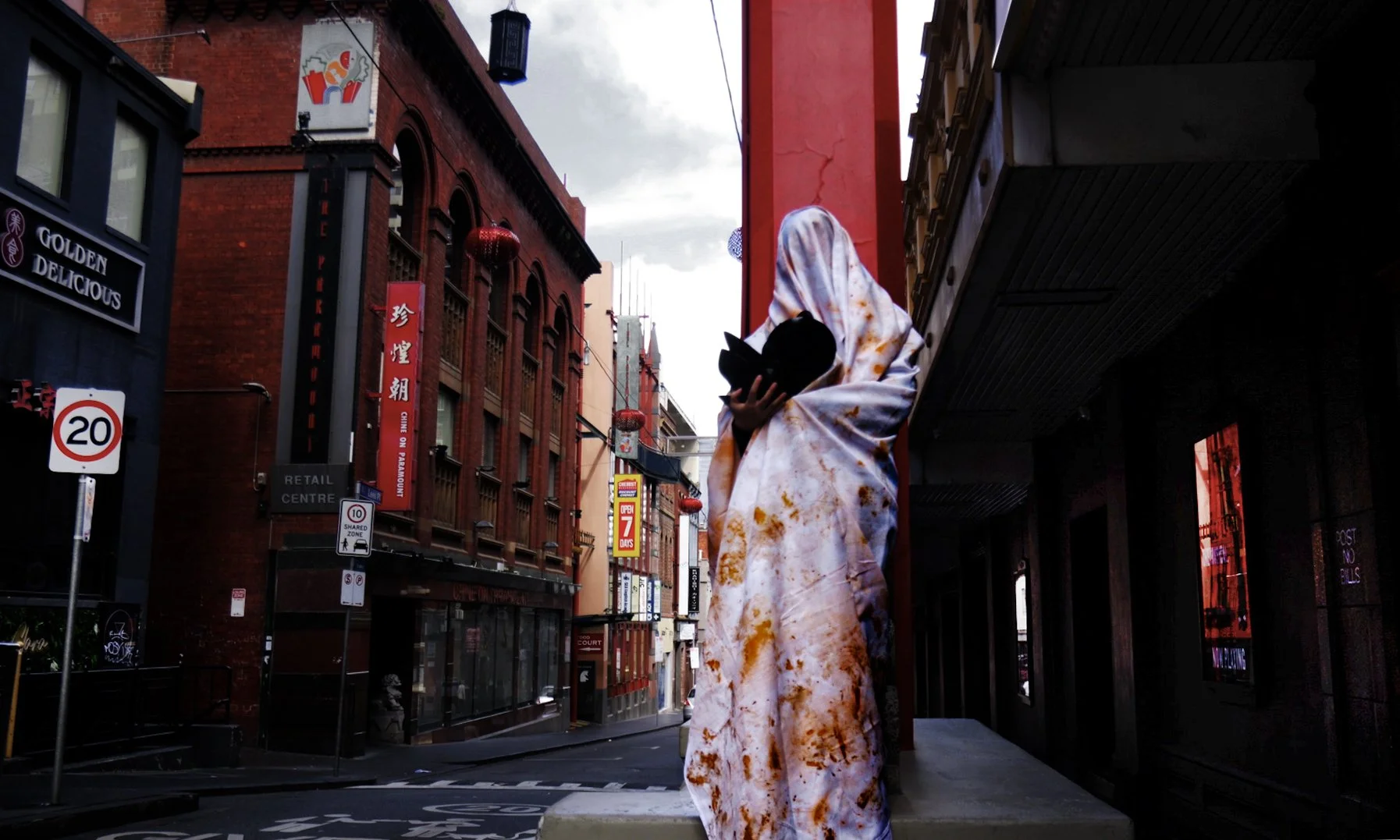
Huiyi Xiao
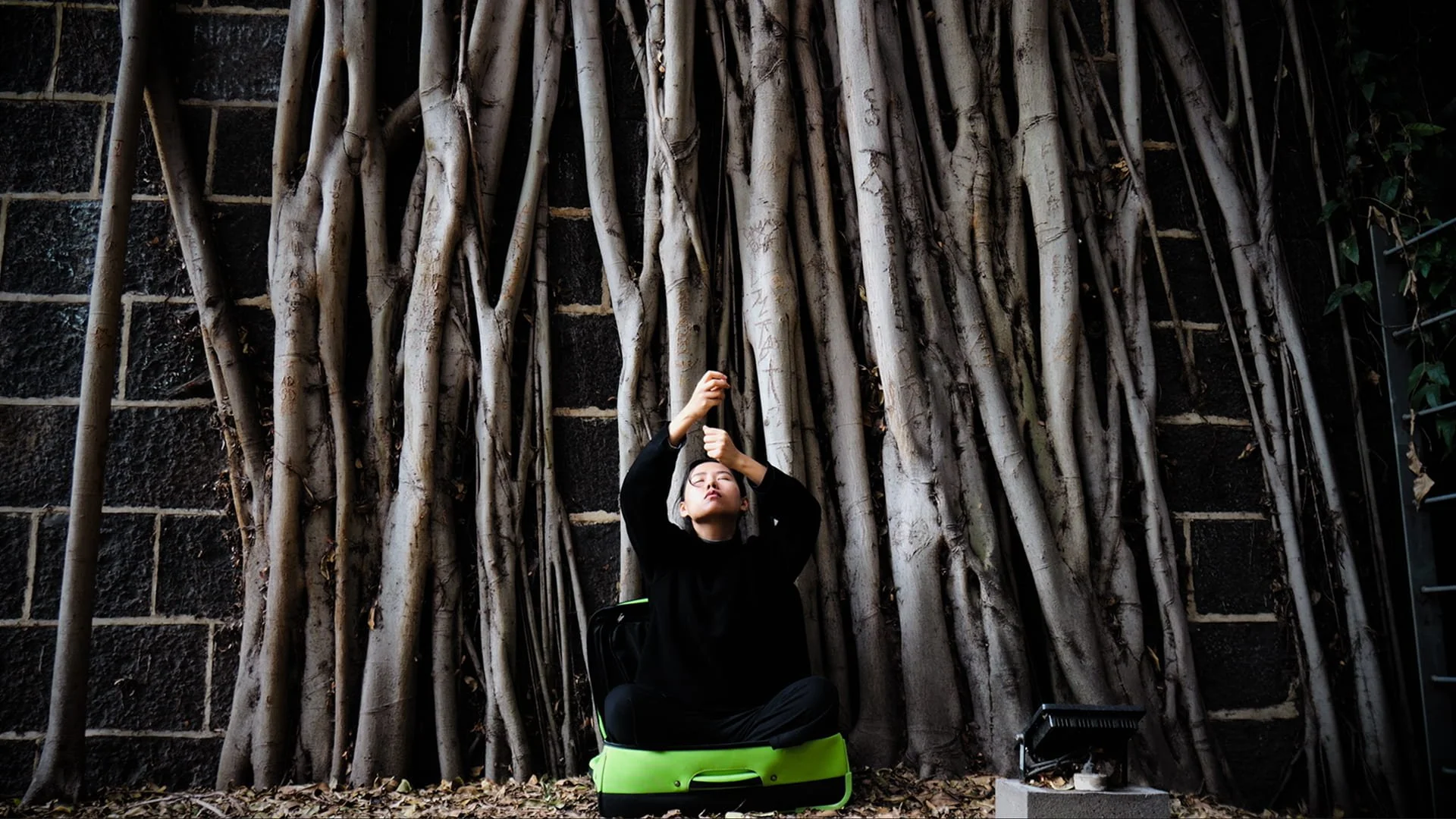
The Fire that wouldn't Call Itself Ash
The Fire that Wouldn't Call itself Ash is a performance-based video that interrogates the silent economies of migrant labour, through the diasporic body as a site of both discipline and defiance. Largely set in the resonant spaces of Melbourne's Chinatown, the video transforms the repetitive gestures of service work into a language of surreal poetry. It emerges from the structural reality of migrant de-skilling, where the education and histories of immigrants, particularly women, are systematically erased.
Through a dialogue of metaphorical actions with the specific site, it traces the process of inscribing social value onto racialized and gendered flesh. The performance lays bare the paradox of labour that is both indispensable and marginalized, framing the diasporic body as an "un-monument": a site-specific marker of erasure and unyielding resilience.
Janet Laurence
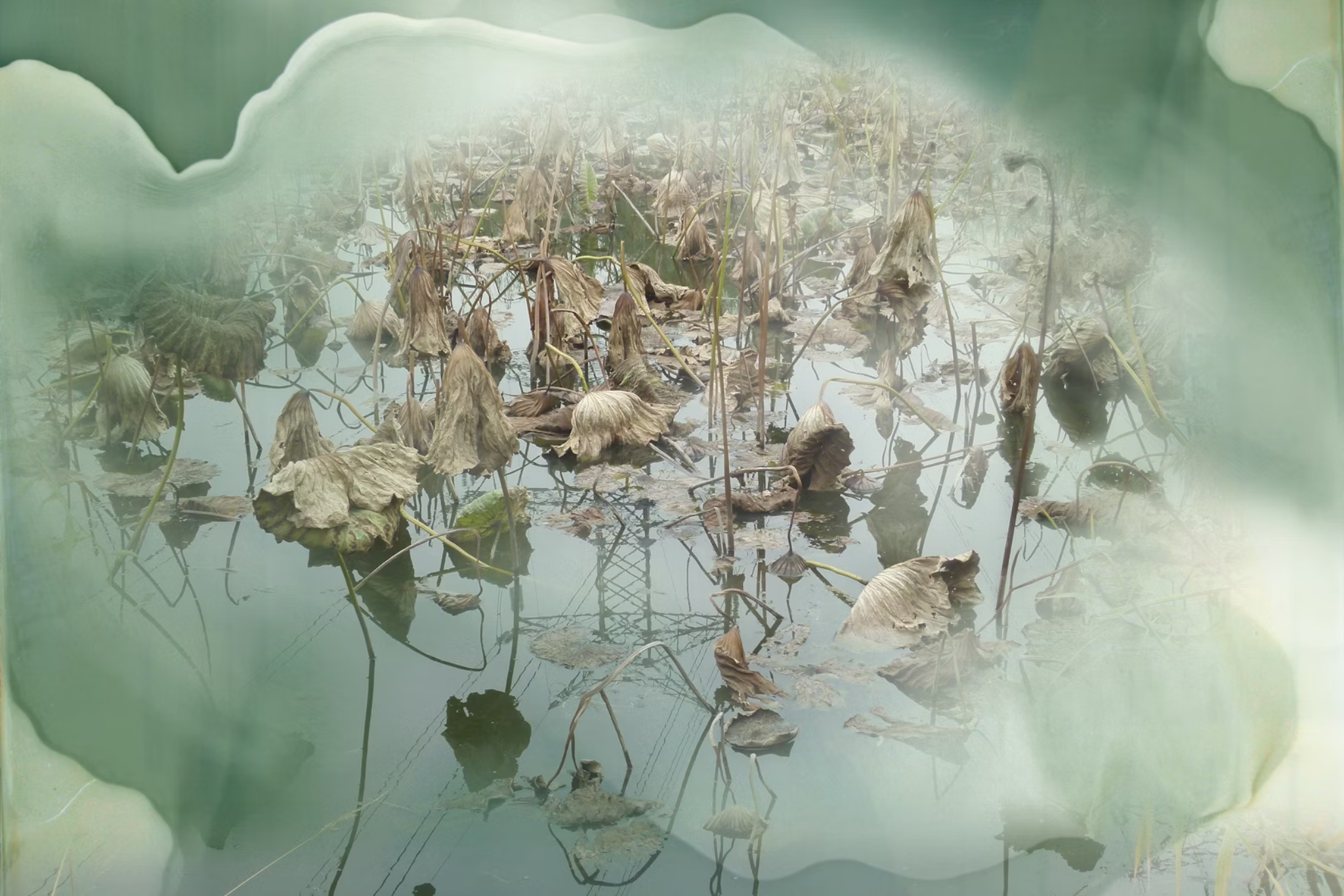
Title: The Lotus in the Lost Forest
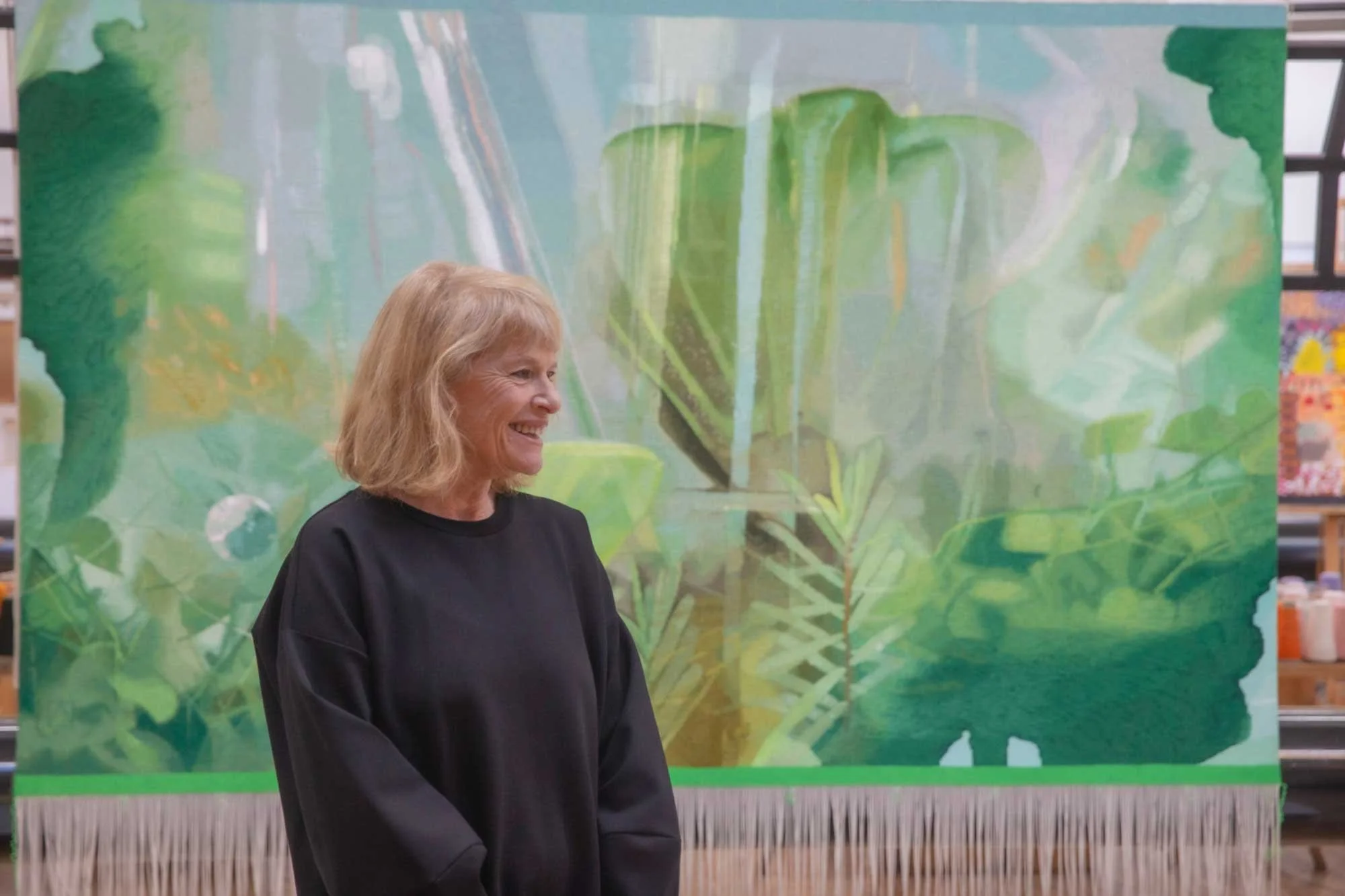
Photographs taken on a residency outside Beijing, recalling the residual nature of the area. These works have been developed into a series of digital photographic and painted images.
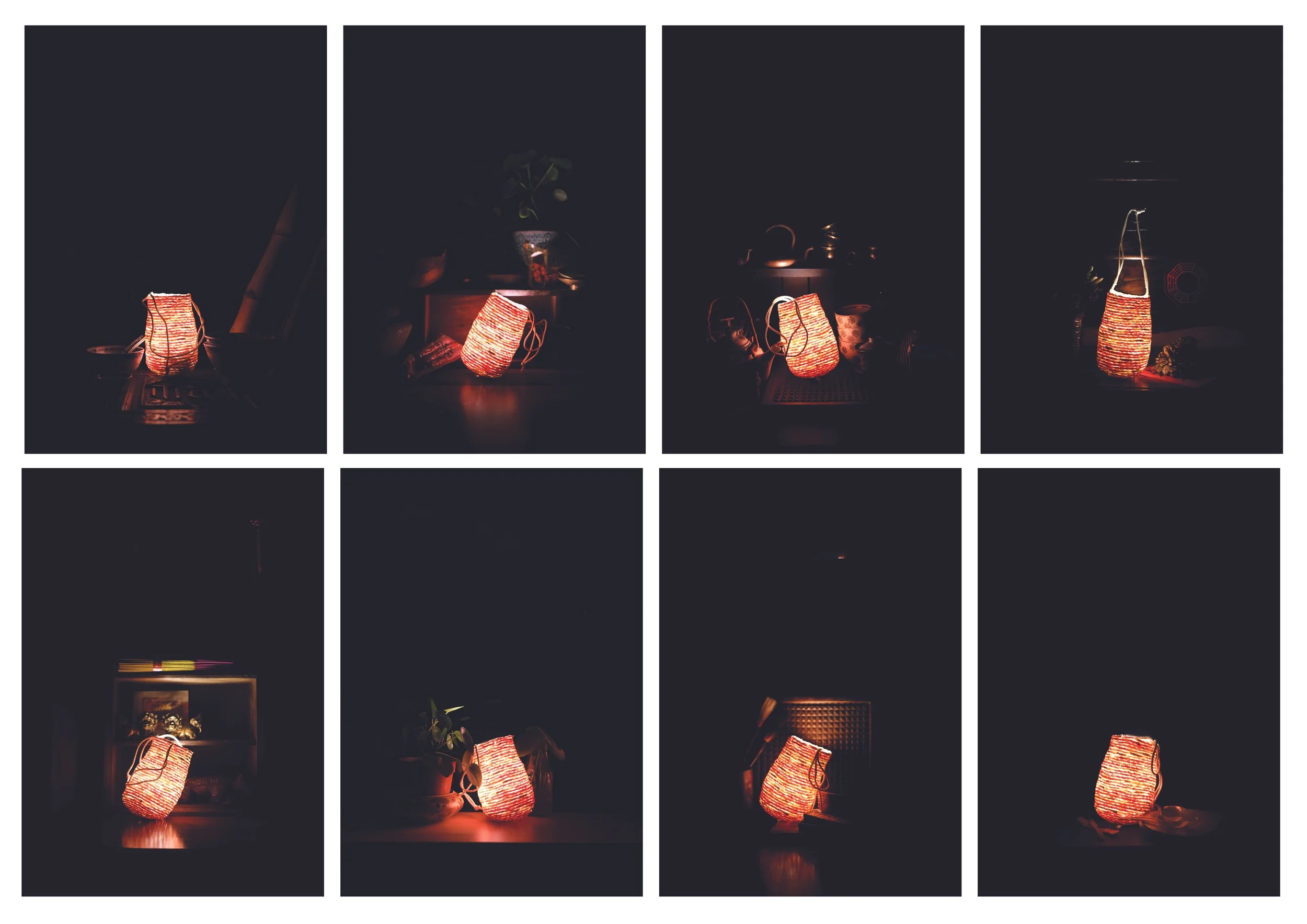
Jenna Lee
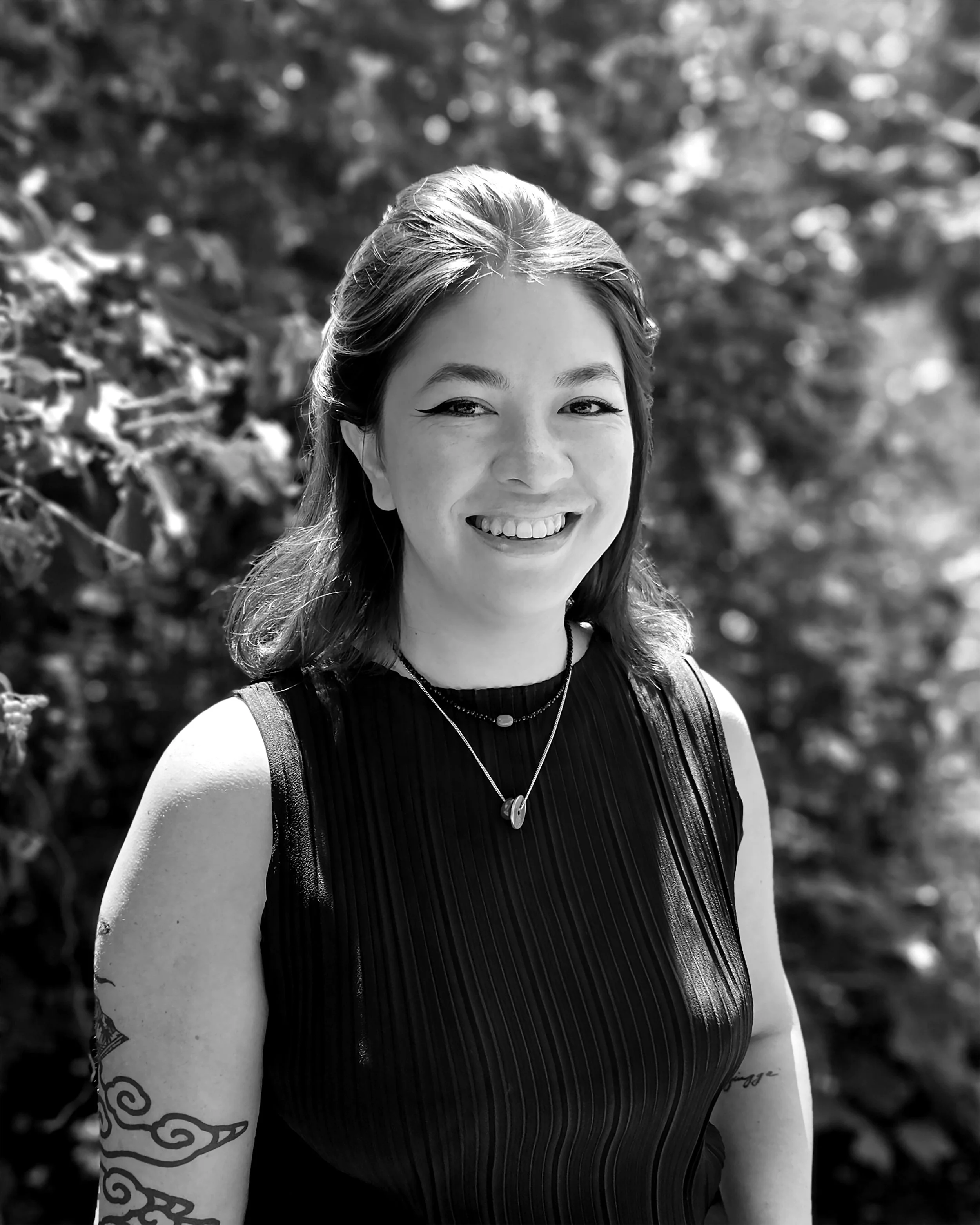
Title: To Light Up Memories
This work comprises eight still-life photographs that explore the domestic and internal landscapes shaped by my mixed Aboriginal–Chinese heritage. Each image is constructed from everyday objects drawn from my childhood home, items that hold both cultural specificity and intimate personal memory. Shot at night, the scenes are illuminated only by a small woven dillybag crafted from Chinese calligraphy paper and stamped with my family name, 李 (Lee). In darkness, the dillybag becomes a lantern: a quiet, glowing centrepoint that casts light onto objects, revealing their presence in the still of night.
Through this restrained lighting and careful arrangement, the series reflects on how identity is formed in the private, quiet spaces of home, where the mundane and the meaningful coexist. The photographs become meditations on inheritance, belonging, and the subtle ways culture lives within our interiors, domestic rooms, familial rituals, and the internal landscapes we carry with us.
Jess Bradford
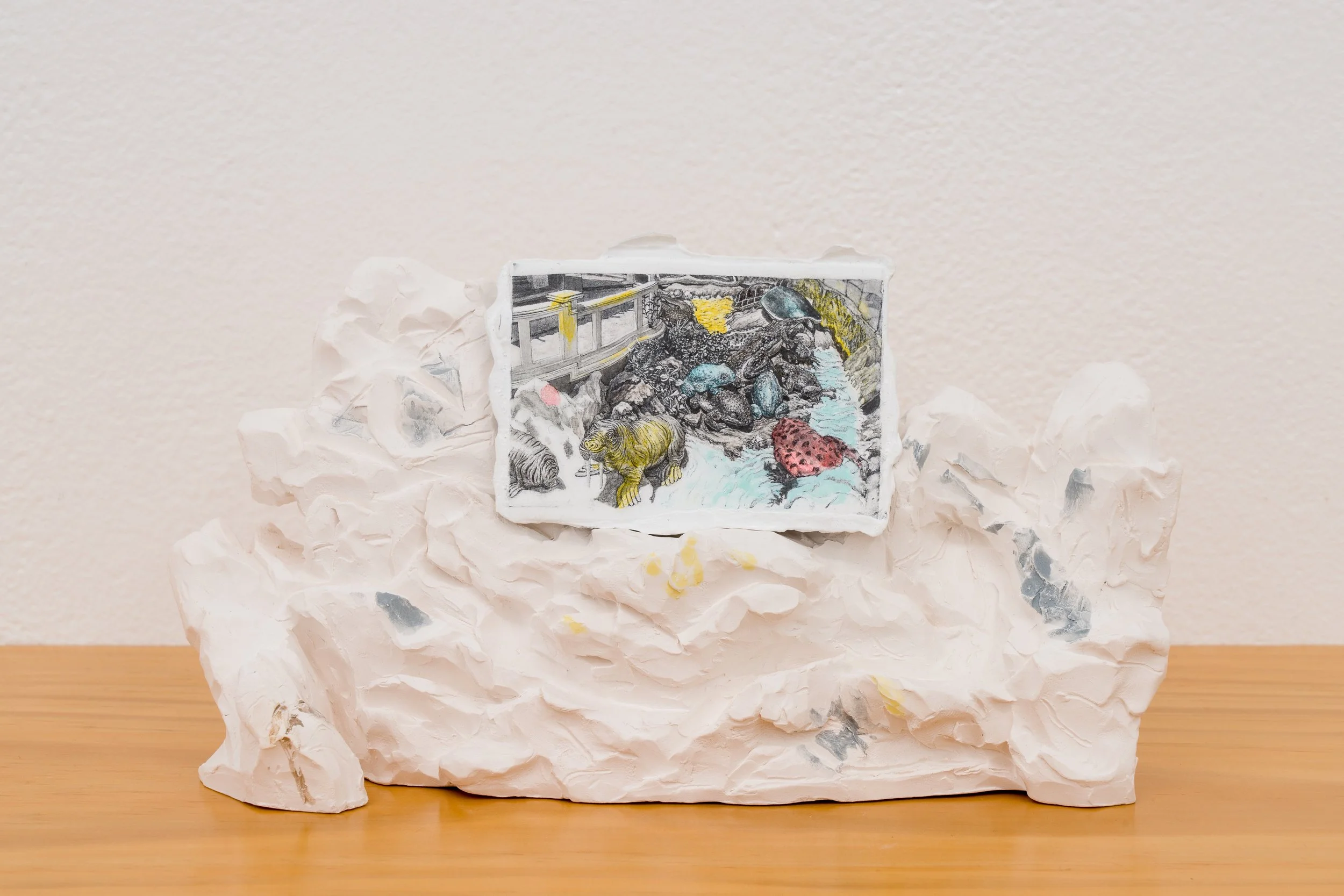
Title: Tiger Dreams Garden
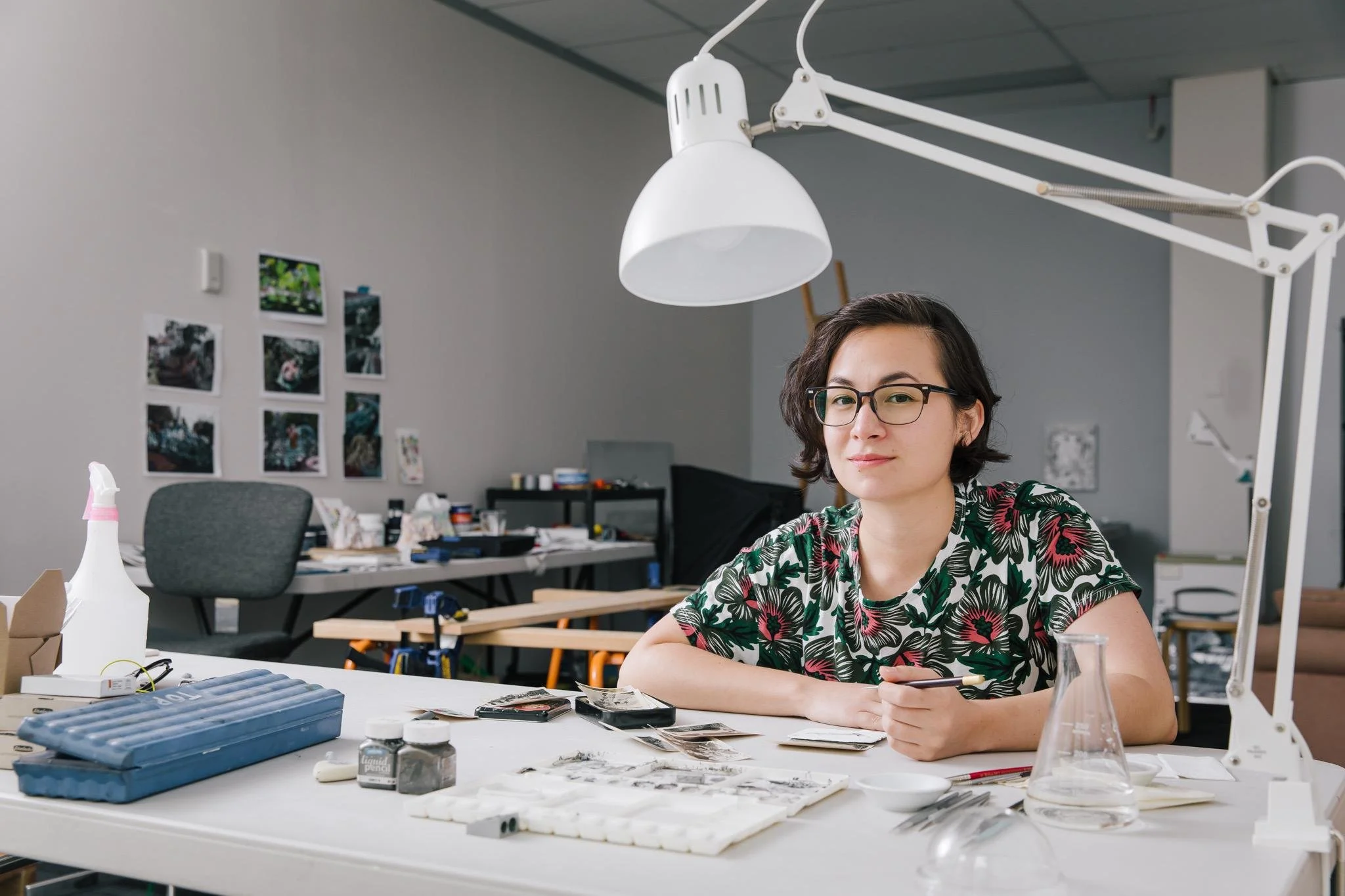
Jess Bradford is a Singaporean-born and Sydney/Gadigal-based artist working across painting, ceramics, and installation. Her work is informed by her mixed-race Chinese heritage, and her practice explores representations of cultural identity, hybridity, and cultural inheritance.
Her work examines representations of culture through a Chinese cultural theme park in Singapore she frequented as a child named Tiger Balm Gardens. The Garden exhibits a bizarre collection of Chinese folklore, myths and legends depicted by large scale painted concrete dioramas set within fabricated grottos and mountainscapes. The Garden’s concrete forms reference the constructed landscapes depicted by Chinese Garden rockeries and Chinese ink painting, and is a fascinating alternative image of traditional landscape by a diasporic Chinese family living in Singapore.
Bradford replicates found photographs of the Garden in painting and sets them amongst miniature ceramics based on the Garden’s mountain scapes. Referencing, remembering and creating her own version of a fabricated Singaporean landscape.