

Meet the Finalists
We proudly present our 62 Finalists for the 2026 ACAR Art Prize.
Shen Shaomin
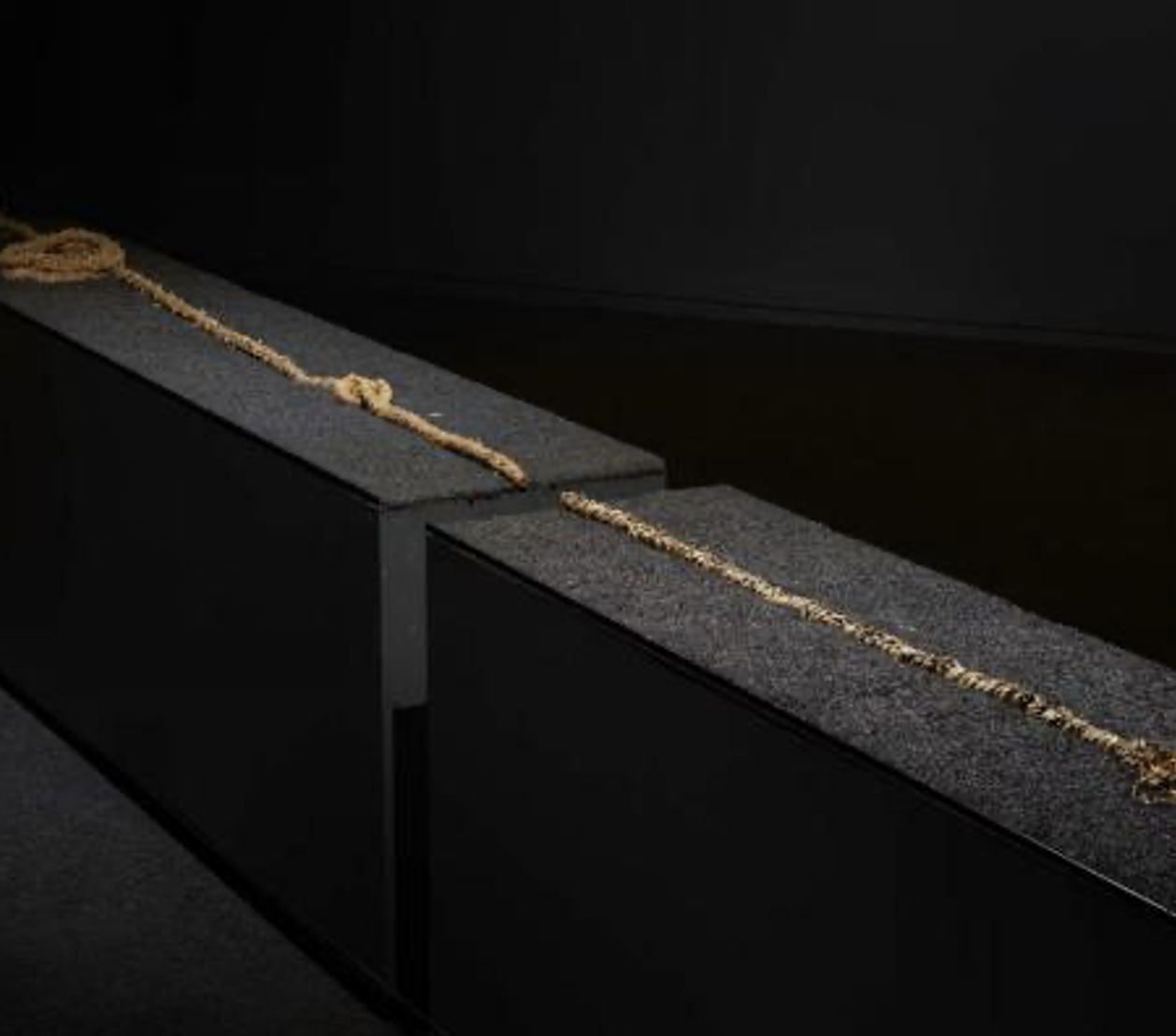
In Severed, Eternal, the Shen Shaomin situates the organic medium of straw within the broader context of history and time. The original straw was a highly degradable organic material, therefore, Shen preserves its form through ceramic. In doing so, he pays homage to its presence and celebrates the beauty and quiet lyricism through different phases of transformation. Within the logic of contemporary consumerism, such “useless grass” is often discarded without a second thought. Yet through the artist’s restorative labour, it is imbued with renewed reverence, revealing a deep and enduring connection between natural resources and humanity. It is also personal, recalling Shen’s childhood memories growing up relatively poor when food was rationed. The only time he could eat rice was on New Year’s Eve. Through art, he hopes to replace his memory of hunger.
Title: Severed, Eternal
Shuran Zhang
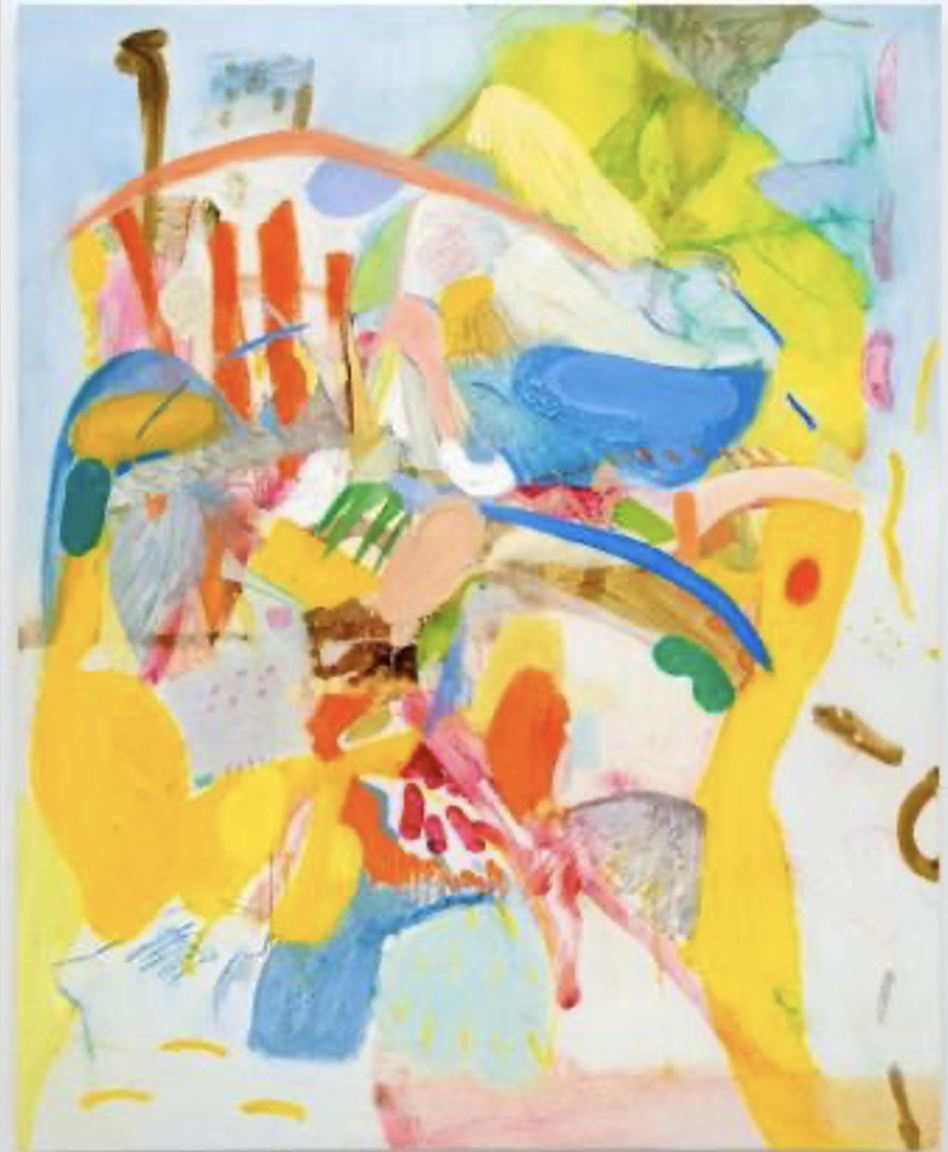
Title: August 13
My art centers on the mission of “painting works that are both landscapes and people”. A landscape, in my understanding, is something formed through layered human activities and fragmentary traces they leave behind. My motifs are these real, existing landscapes—places where strangers and I co-exist. While I do not have direct contact with those strangers, I sense ambiguous interactions with them. An individual perspective is inevitably fragmentary; the experiences of others also appear as fragments, which may intersect and overlap with my own. I aim to grasp, in a structural way, the contours of human presences within a landscape, including my own. I seek to express moments when these presences overlap and emerge as a single scene. Through this process, I hope to make my own presence visible within the landscape and to examine the vague yet undeniable certainty of relationships with others.
Site Meng
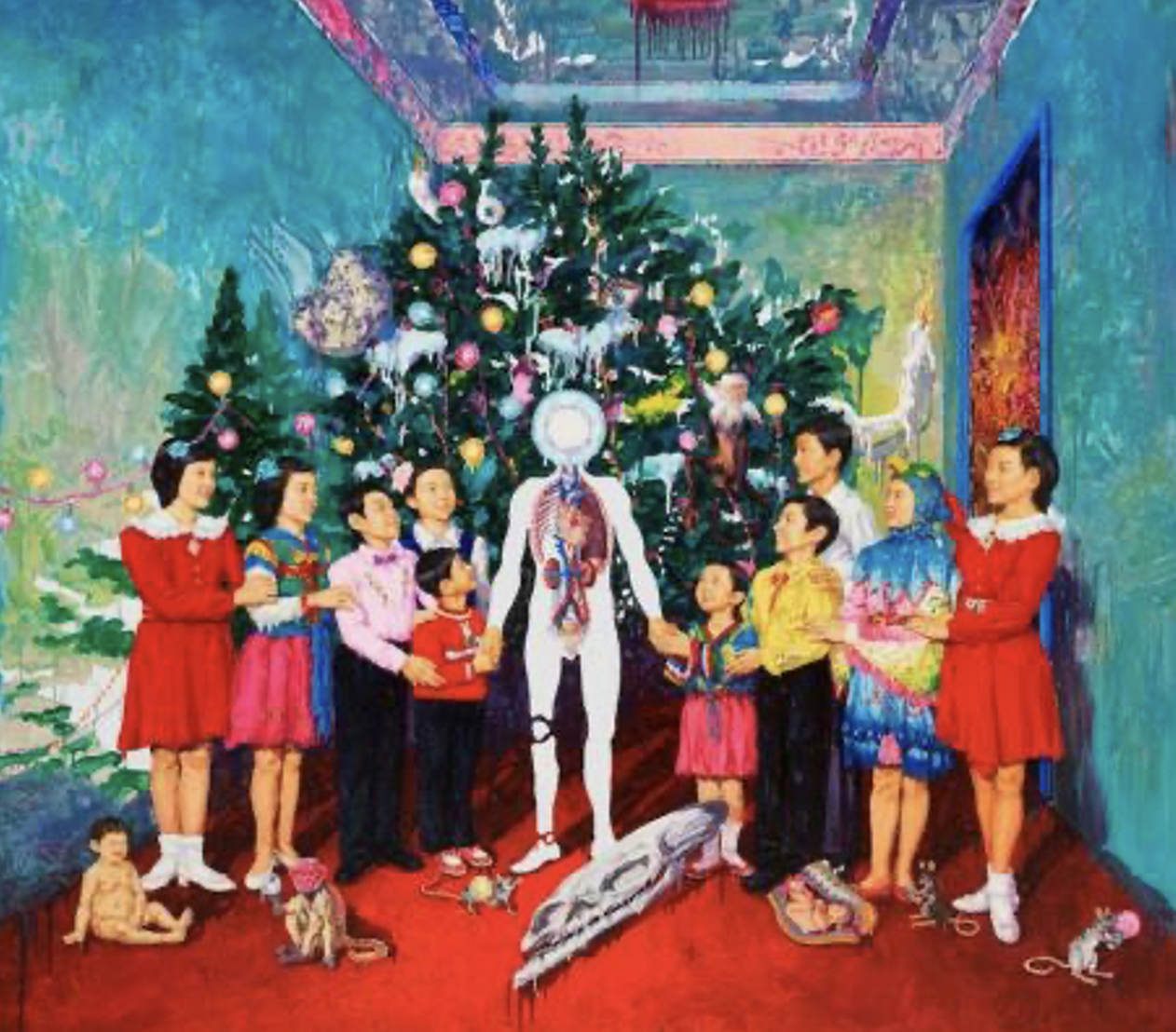
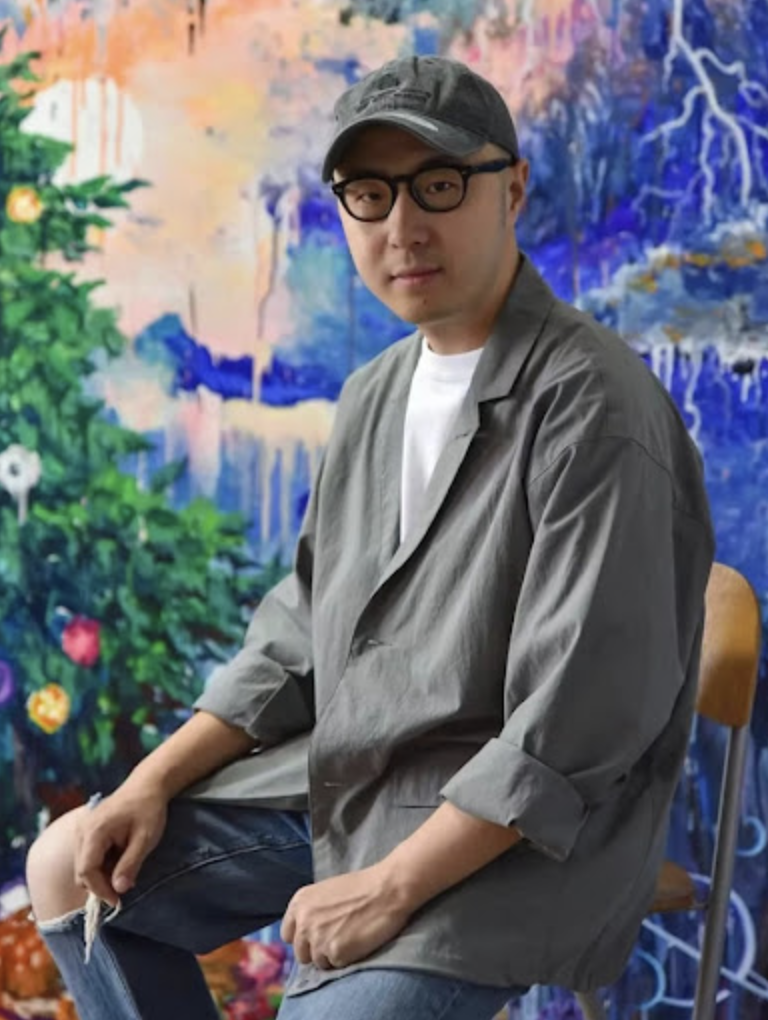
Title: Focus
Focus depicts a scene of layered, overlapping spaces. Set within a dreamlike environment that is neither fully indoors nor outdoors, the work explores questions of identity and belonging among the overseas Chinese diaspora. A Christmas tree establishes a festive atmosphere, yet those dressed in elaborate costumes and participating in the celebration are individuals living far from their homeland.
Within this ambiguous, shifting space, they search for a sense of self-recognition and belonging, while also aspiring to become the focus of others’ attention.
Siying Zhou
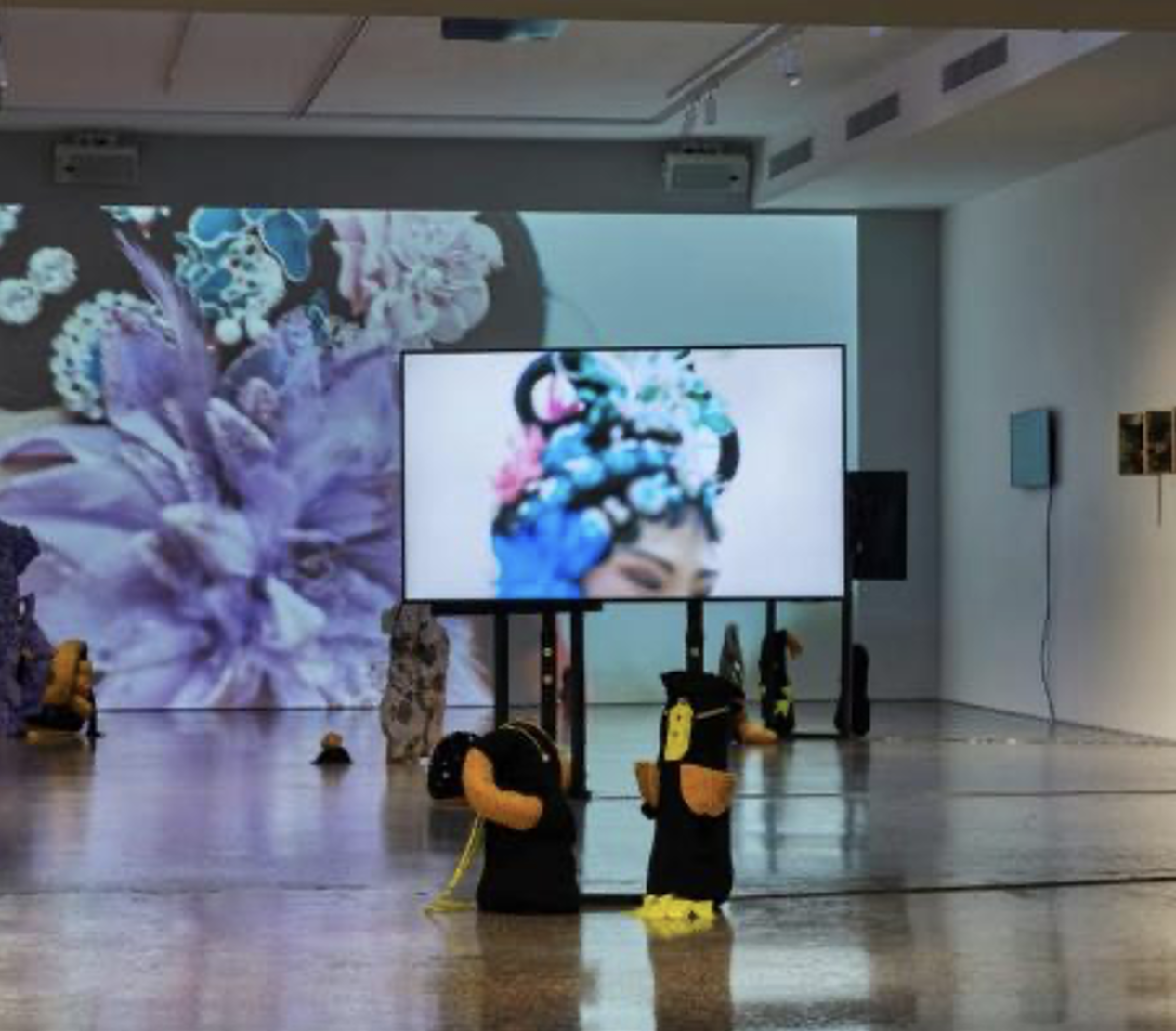
Title: If the earth was not curvature, our eastern tune would have been collided with yours
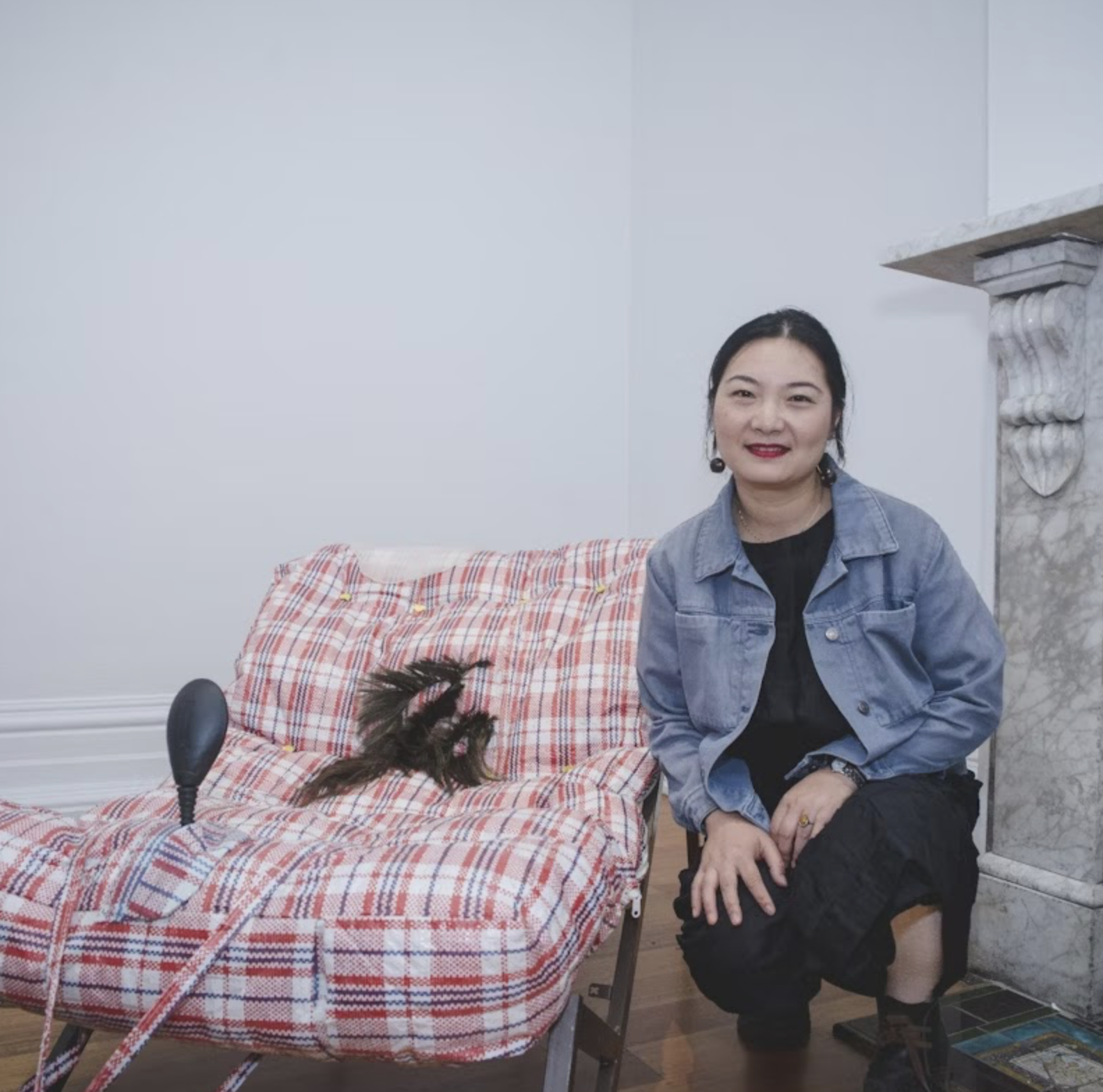
My art practice explores Chinese cultural representation in Australia and my ontological value as a Chinese immigrant. Through examining materials, images and narratives, I critically contemplate landscape as a perspective through which to examine history and cultural tradition.
My three-channel video work "If the earth..." maps an invisible cultural landscape that Chinese immigrants, like myself, navigate daily. It stitches together four Melbourne sites into one video narrative: a western suburb park adjacent to an industry site; the Dandenong bushland on Wurundjeri and Bunurong Country; the Arts Centre Melbourne conservation lab housing Beijing opera costumes acquired from a 1983 tour; and the rehearsal room of the Chinese Beijing Opera Club in Box Hill. From the sublime to the mundane, their aesthetic contrasts indicate a fragmented Chinese cultural narrative in Australia. Occupied with
Chinese cultural content, they forge different perspectives on cultural identity and open a surface to reflect on Australian history itself.
Sonia Martigno
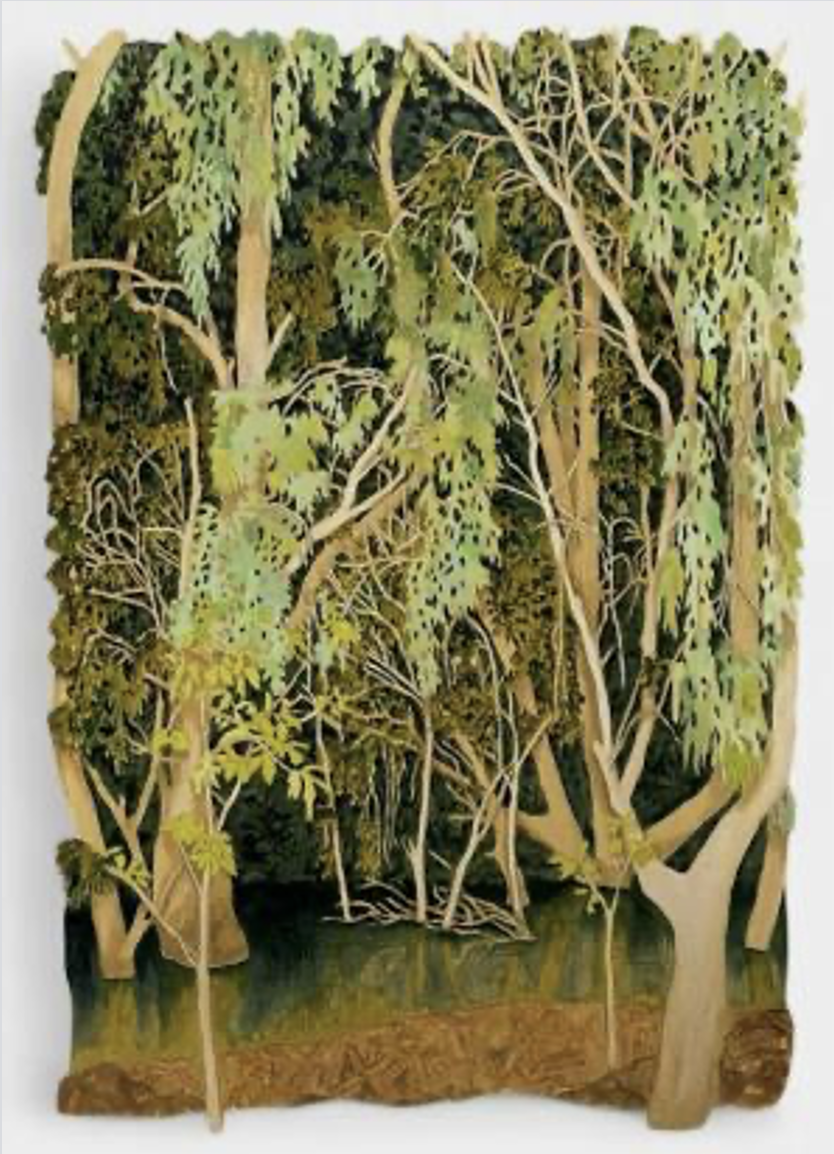
River Dream captures a nocturnal scene I witnessed while camped beside a remote Northern Territory waterway. This river has been watched before. In the late 1800s Chinese gold miners sat here, listening to the same water moving through the night. More than a century later I found myself beside the same river, wondering if they too felt that quiet mix of awe and unease in the darkness. They were pioneers in a strange land who became part of this landscape’s rich history.
In traditional Chinese art, rivers often symbolise harmony, change, and strength, their flowing forms expressing inner worlds and the passage of time. My work draws inspiration from this tradition.
A river holds memory and mystery. Its surface reflects shadows yet conceals more than it reveals, hinting at the instincts, fears and desires beneath our own calm exteriors. This painting lingers at the edge, where beauty meets something unsettling.
Title: River Dream
Susan Hipgrave
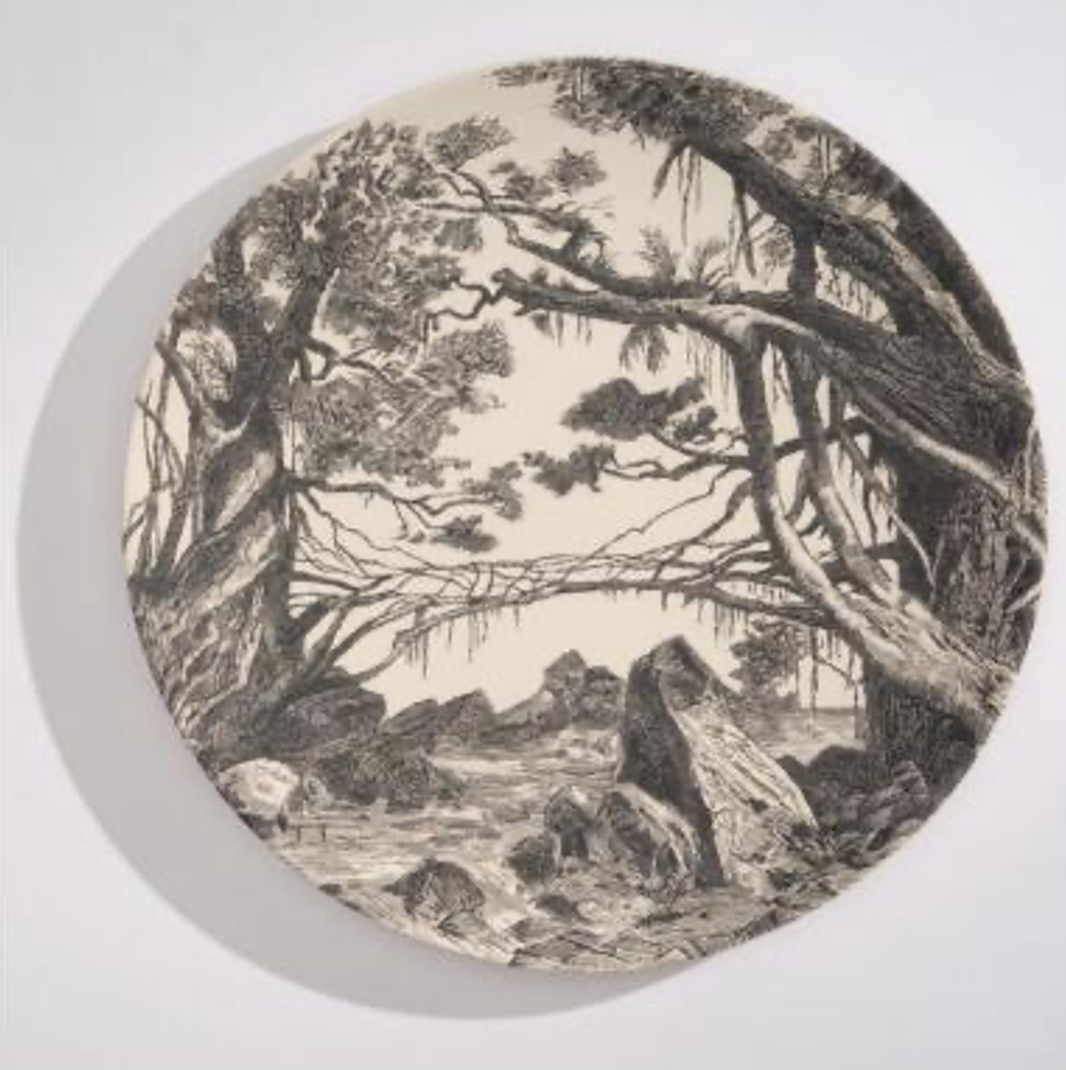
Title: The Way Across
The Way Across reimagines landscape as a site of both cultural resonance and quiet negotiation. Here, a delicate bridge woven from natural vines becomes more than a passage across water - it is a metaphor for how we navigate unfamiliar places and the subtle ways another culture reshapes our understanding of the environments we move through. The fragile structure, formed through the joining of many strands, reflects the harmony and vulnerability inherent in encounters with new landscapes.
Hand-painted on porcelain, the work draws on traditional decorative art forms that have long depicted pastoral and rural scenes. By referencing these age-old motifs through a contemporary lens, the artwork considers how cultural traditions inform the way we perceive and translate landscape. The Way Across invites viewers to contemplate the spaces between cultures, the bridges we construct in order to connect them, and the transformative beauty that emerges in that crossing.
Suxuan Jiang
Title: Micro-Nano Landscape
Micro-Nano Landscape consists of live-action footage of micro- and nanorobots in motion. Their paths unfold like a fluid ink painting, unsettling the boundary between scientific imaging and artistic expression. Through this microscopic view, the work proposes a way of seeing the vast within the minute, allowing landscape and world to emerge from the smallest scale.
The video also departs from conventional, anthropomorphic perceptions of robotics. By foregrounding the collective formations of micro- and nanorobots under magnification, it renders the idea of coordinated swarm intelligence visible in concrete form.Micro-Nano Landscape consists of live-action footage of micro- and nanorobots in motion. Their paths unfold like a fluid ink painting, unsettling the boundary between scientific imaging and artistic expression. Through this microscopic view, the work proposes a way of seeing the vast within the minute, allowing landscape and world to emerge from the smallest scale.
The video also departs from conventional, anthropomorphic perceptions of robotics. By foregrounding the collective formations of micro- and nanorobots under magnification, it renders the idea of coordinated swarm intelligence visible in concrete form.
Tianli Zu
Title: Once upon a time
Once upon a time explores themes of identity, belonging, and cultural heritage in the context of the Australian landscape. Chinese-Australian multimedia artist Tianli Zu traced back the first Chinese migrants who came to Shoalhaven, on the South Coast of New South Wales, Australia in the 1840s.
Zu reflects on her worldview, changed environment, and personal experiences to deal with subject matter seemingly historical, yet, have present significance, such as trauma, crime, tension, pain, taboo, irony, and spirituality and healing. She retells stories through her signature papercuts by hand using metaphors, dark humour, and embedded Chinese aesthetics and poetic expression, dialoguing heritage and culture, east and west, life and death, presence and absence, reality and imagination.
The music by Andrew Zhou comprises field recordings and an original score, orchestrating a panoramic soundscape of the Australian bushland.
Tim Allen
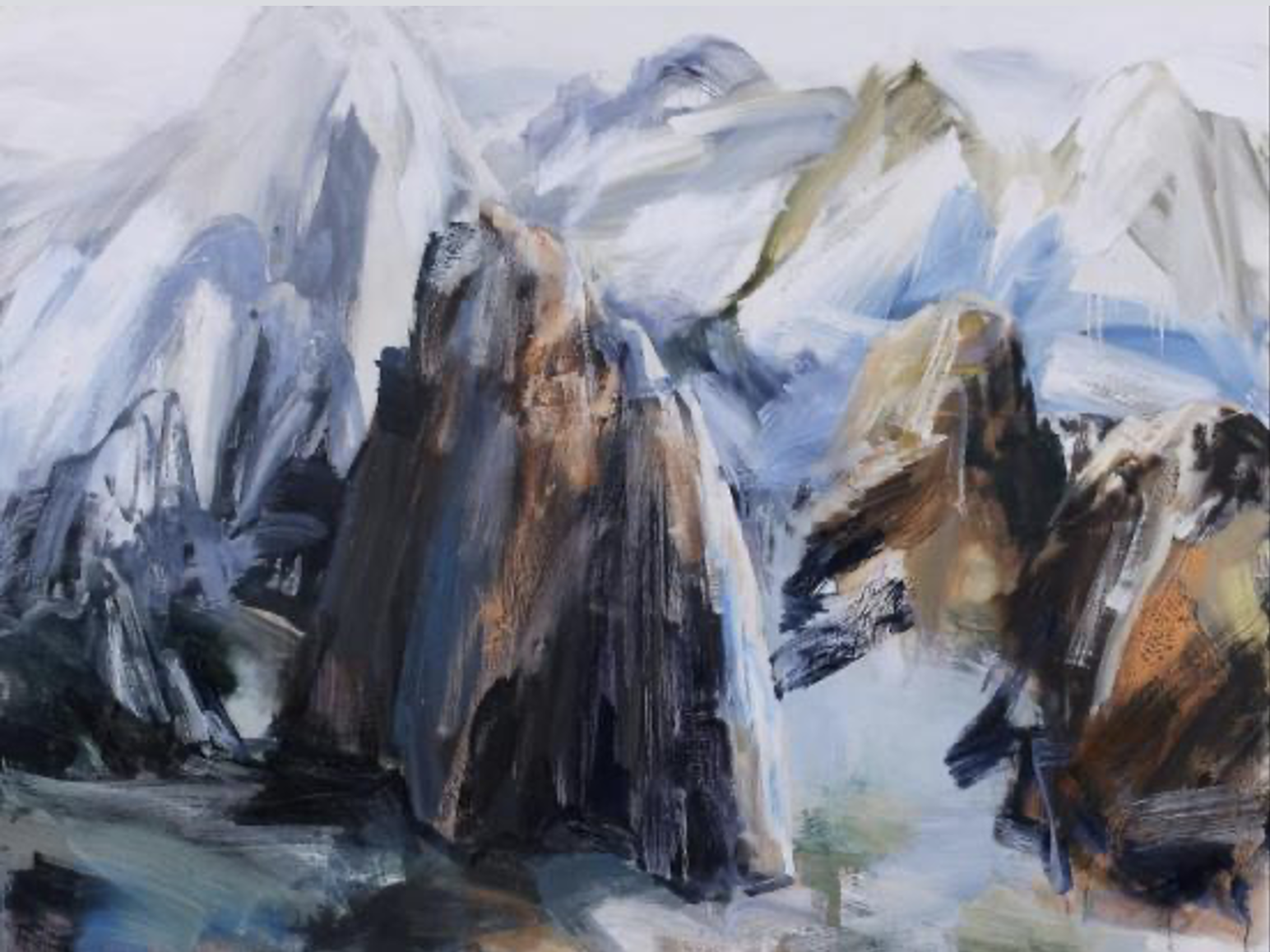
Title: Light and shadow (Huangshan)
The artwork ‘Light and shadow (Huangshan)’ was inspired by several artist residencies in Hong Kong and China. In 2014 and 2015 I travelled to Huangshan and Zhangjiajie courtesy of the Nock Art Foundation. I painted plein air in those famous landscapes, so strongly defined by the Chinese brush painting tradition. I continued with work inspired by Chinese landscape in Hong Kong studio residencies and then on and off over subsequent years in my Blue Mountains studio.
My interest in the Chinese brush painting tradition goes back to 1996; my MFA (research Masters) attempted to place my artist practice as a synthesis of a western expressionist and abstract expressionist tradition with an alternate way of working that emphasised stillness, emptiness and a meditative approach. This approach aligned with the philosophy of Chinese brush painting and has been an ongoing interest of mine ever since.
Xiangjie Wang
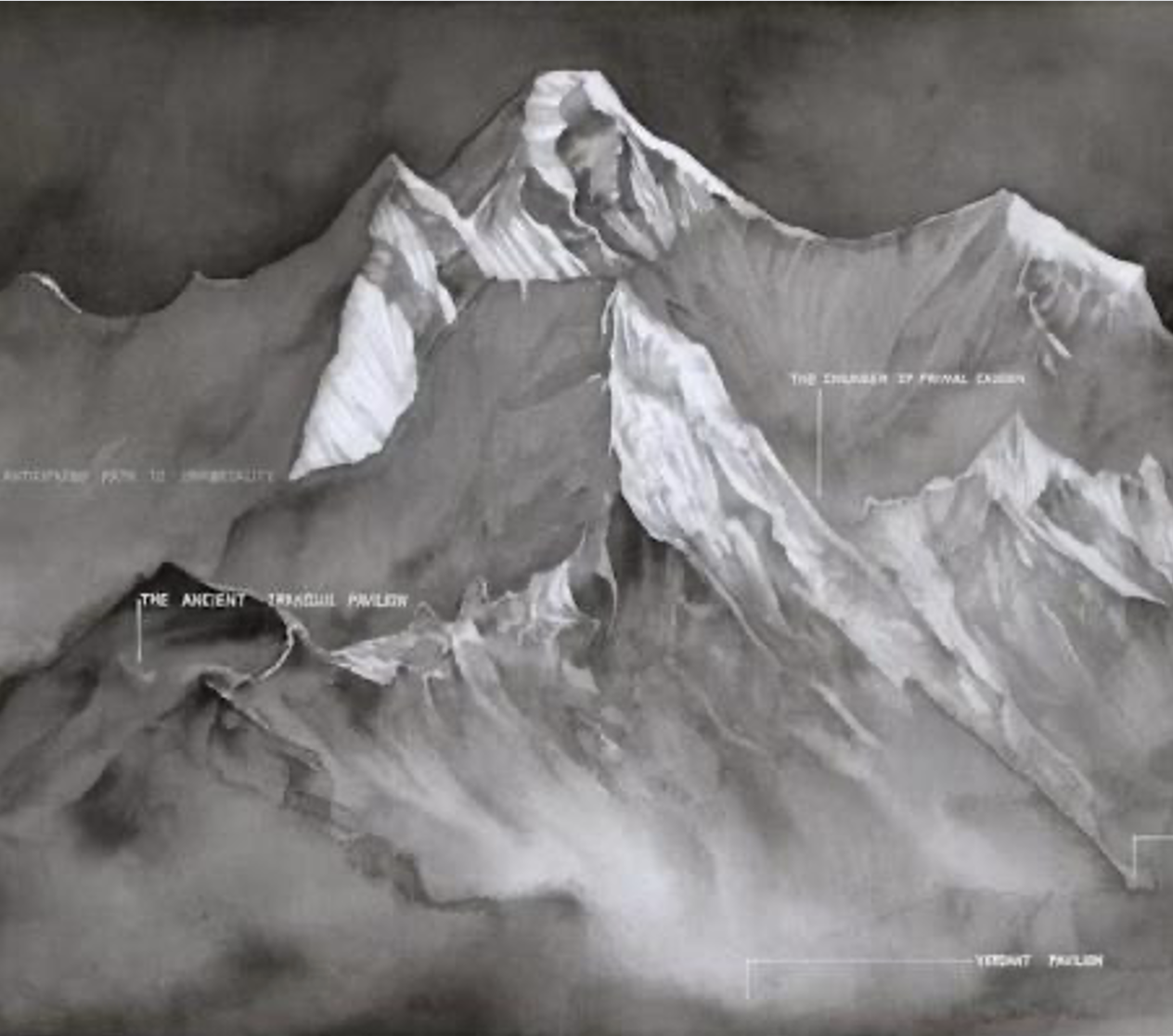
Title: How Do We Perceive Seclusion in Today’s World (3)
How Do We Perceive Seclusion in Today’s World (3) uses ink on paper as its medium, drawing on the ten scenes described in Lu Hong’s Ten Views of the Thatched Cottage from the Tang dynasty. During the pandemic, the concept of “armchair wandering” is reimagined through a mechanical gaze, navigating and framing landscapes within Google Earth. Through shifting perspectives, mountains and rivers unfold in expansive, austere wide-angle views.
I have also travelled along Australia’s coastlines, inland wilderness, and urban fringes—landscapes that remain vivid in my memory. If these impressions take form, they both test the traditional Chinese notion of “seclusion” within new geographical and cultural contexts, and transform the resulting differences and tensions into a contemporary reimagining of landscape.